BMW E39 Pre-LCI vs LCI (1995–2003): Differences & Parts Interchange
The BMW E39 5 Series is one of the most beloved BMWs ever built — and one of the most confusing to buy parts for, because "E39" actually covers three distinct production periods with real differences. Order a mirror or a taillight for "an E39" without checking the version, and there is a good chance it will not fit. This guide sorts it out.
The three production periods
| Period | Years | Commonly called |
|---|---|---|
| Early | 1995 – 09/1998 | pre-LCI |
| Transition | 09/1998 – 2000 | updated pre-LCI |
| Facelift | 2000 – 2003 | LCI |
The 2000 facelift (LCI — Life Cycle Impulse) is the big dividing line. The 1998 update changed electronics and some equipment but kept the pre-LCI look.
What actually differs
Headlights
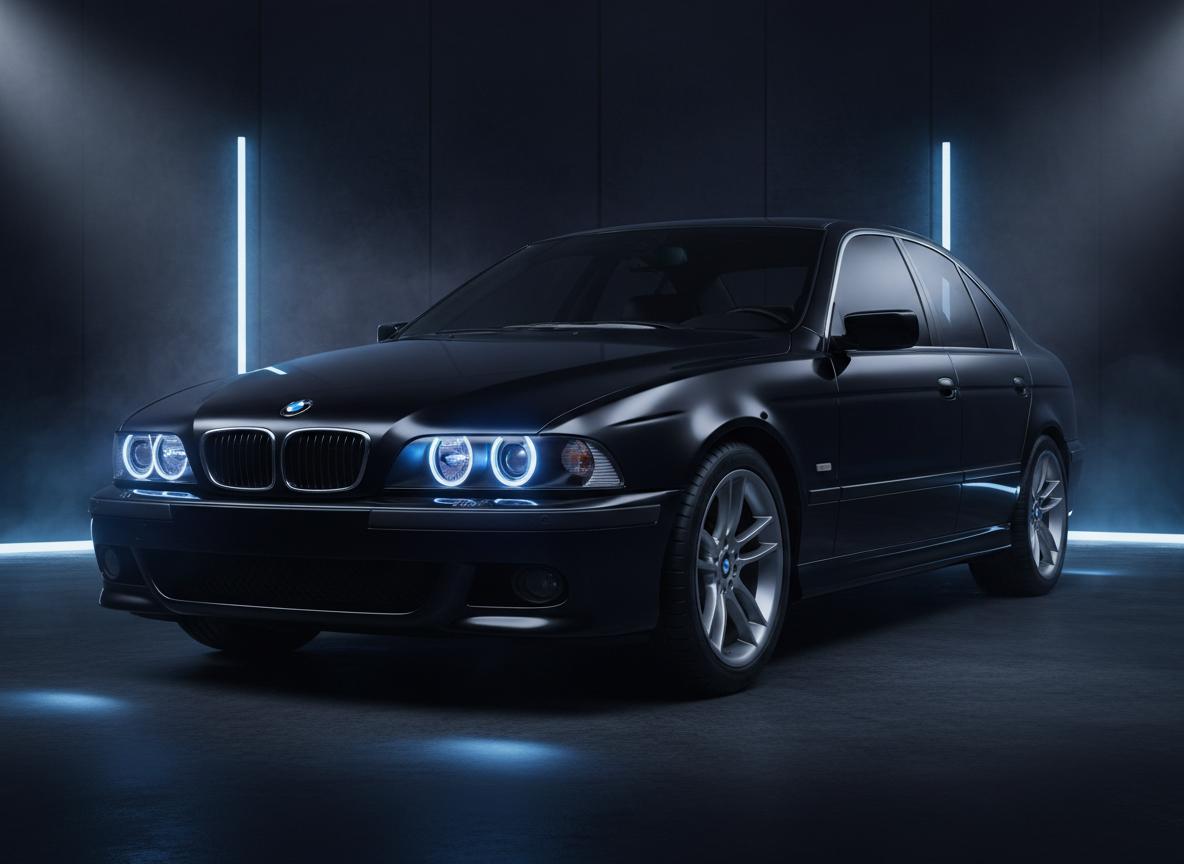
Pre-LCI cars have plain glass-lens headlights; the LCI brought the famous "angel eyes" corona rings. They are a popular retrofit — the headlights bolt on, but the wiring for the rings needs to be added.
Taillights
Pre-LCI taillights have amber turn signal sections; LCI lights are clear/red with a different internal look. Physically interchangeable — many owners upgrade — but check the bulb holders and wiring on early cars.
Mirrors
The classic E39 trap. Pre-facelift cars are associated with the smaller "brick" mirrors, and LCI cars with the larger power-folding "paddle" mirrors (lopukhi). In reality it is not that simple: early E39s could be ordered with folding mirrors too, so folding mechanisms exist in old-style and new-style versions, with different internals. Never buy a mirror or a folding mechanism for "any E39" — match it to your car's exact mirror housing.
Bumpers and body
LCI bumpers have different fog light surrounds and lower grilles. M Sport (M5-style) bumpers differ between versions as well. Body panels like doors and fenders largely carry over.
Interior
The dashboard architecture is the same across all years. LCI cars got updated steering wheels, slightly revised switchgear and newer navigation screens (16:9 vs 4:3), but interior trim, door cards, seats, consoles, headliners and most small parts interchange freely between all E39 years — which is why the used-parts market for E39 interiors is so good.
Quick interchange table
| Part | Pre-LCI ↔ LCI | Notes |
|---|---|---|
| Interior trim sets | ✔ Yes | Wood, aluminum and titan-line sets swap across all years |
| Seats / door cards | ✔ Yes | Watch for heated/electric options matching yours |
| Headlights | ⚠ Retrofit | Bolts on, angel-eyes wiring needed |
| Taillights | ⚠ Mostly | Check bulb holders on early cars |
| Mirrors | ✖ Careful | Old/new folding mechanisms differ internally |
| Bumpers | ✖ No | Different fog/grille areas |
| Nav / screens | ✖ No | 4:3 vs 16:9, different wiring |
Why this matters when buying used parts
Because the interior is the E39's most interchangeable area, it is also where used OEM parts make the most sense: wood or titan-line trim sets, sport seats, door sills and consoles from any 1995–2003 E39 will fit your car. For everything version-specific — lights, mirrors, M Sport body parts — always confirm the production date first. When in doubt, send the VIN to the seller; a good parts supplier will check fitment before shipping.
E39 interior parts in stock
Trim sets, seats, door sills and small interior parts for the E39 — we verify your VIN before shipping from Europe to the USA.
Browse the catalog